
Why Hiring Trained Security Guards is Essential for Texas Businesses
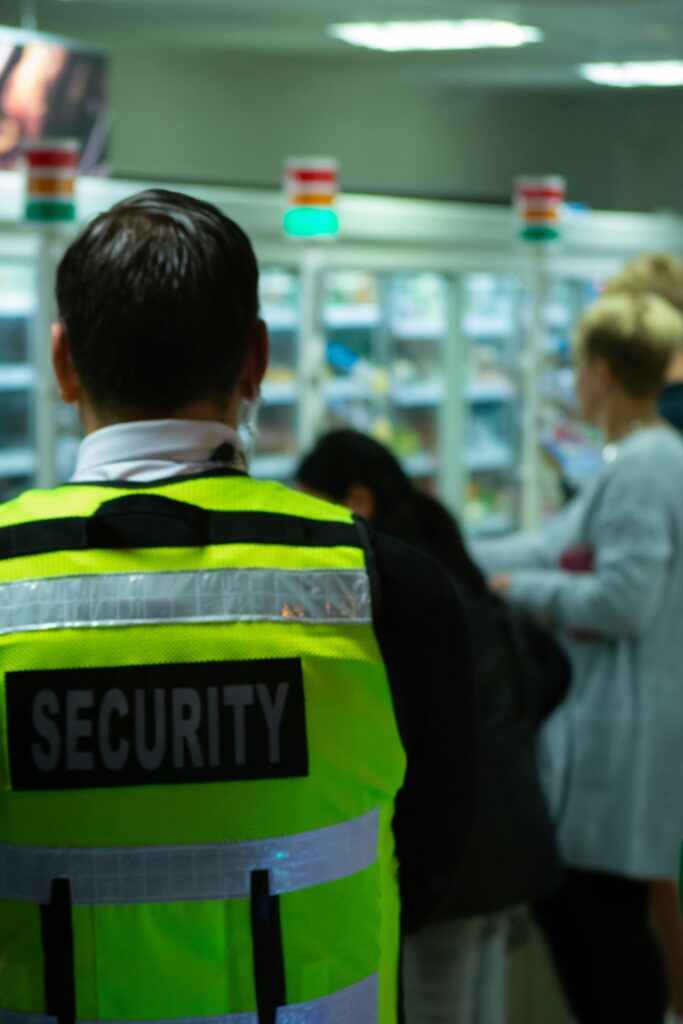
In the heart of Texas, where businesses are booming and communities are growing fast, business protection is no longer just a smart choice , it’s an absolute necessity. From retail stores in Dallas to warehouses in Houston and office parks in Austin, companies across the Lone Star State are facing increasing threats, from petty theft to serious crime. That’s where Trained Security Guards step in, not just as a presence, but as proactive protectors of your people, property, and peace of mind. In this blog, we’ll unpack exactly why hiring professional Business Security Guards is crucial, how they help with crime prevention, and real-world use cases that make the value impossible to ignore. 1. Crime Doesn’t Wait , But Trained Guards Are Ready Whether it’s a small convenience store or a sprawling commercial facility, the unfortunate reality is that crime happens , often when you least expect it. Texas, with its mix of urban density and wide-open industrial zones, sees a range of incidents from shoplifting to vandalism and organized crime. Having Trained Security Guards on site acts as a visible deterrent. Criminals are far less likely to target a business where professional guards are on duty. Unlike surveillance cameras (which only record), guards intervene , and that difference can be game-changing. 2. Professional Training Makes All the Difference You wouldn’t trust your IT infrastructure to an amateur , so why trust your security to someone unqualified? Trained Security Guards undergo rigorous instruction in: Threat assessment Emergency response Conflict de-escalation Surveillance monitoring Legal procedures This means they know what to look for, how to react, and how to protect without escalating unnecessarily. Their presence is more than just symbolic , it’s strategic. 3. Use Case #1: Preventing Retail Theft in Dallas A Dallas-based fashion boutique had been experiencing frequent shoplifting. Cameras caught footage after the fact, but it wasn’t enough to prevent losses. After hiring trained Business Security Guards, incidents dropped by over 80% in three months. Why? Because thieves don’t like confrontation, especially from trained professionals who know how to identify suspicious behavior before it escalates. 4. Business Protection Isn’t One-Size-Fits-All Every business is different , and so are its security needs. A construction site in San Antonio may need overnight patrols to prevent equipment theft. A tech firm in Austin might require lobby security with access control. A bank branch in Houston will prioritize armed guards trained in high-risk response. The beauty of hiring a security firm with Trained Security Guards is that they adapt to your business model. You’re not just hiring a body , you’re investing in tailored business protection. 5. Use Case #2: Securing Corporate Offices in Austin An Austin-based software company dealt with unwanted solicitors and occasional confrontations from disgruntled ex-employees. After hiring professional guards, not only did incidents stop, but employee satisfaction rose because staff felt safer. Security isn’t just about protecting assets , it’s about creating a work environment where people feel valued and secure. 6. Crime Prevention Is Cheaper Than Damage Control Let’s talk ROI. The average burglary costs small businesses over $8,000 in losses and downtime. Hiring security might seem like an expense at first glance, but it’s often far cheaper than dealing with the fallout of an incident. Plus, insurance companies often offer discounts to businesses that employ security , especially when they’re from a reputable firm with Trained Security Guards. 7. Use Case #3: Warehouse Surveillance in Houston A logistics company operating a 24/7 warehouse in Houston dealt with repeated break-ins and internal theft. Cameras only helped identify culprits after the damage was done. With guards stationed at entry points and conducting random patrols, theft dropped to zero within weeks. The result? Happier clients, protected inventory, and a more secure operation. 8. Visible Guards = Invisible Risk Customers, clients, and employees notice when a guard is present , and so do those with bad intentions. The physical presence of a uniformed, alert guard creates a psychological barrier for criminals. But the benefits extend beyond deterrence. Guards can: Assist in fire evacuations Handle medical emergencies Provide directions or customer support Report unsafe conditions before they become liabilities In short, they’re more than security , they’re operational assets. 9. Business Protection Builds Reputation Texas is a business-forward state. Your reputation matters. Clients want to know their data, assets, and teams are in good hands. Having visible Business Security Guards reinforces that you take your operations seriously , that you’re proactive, responsible, and trustworthy. In an age where one viral incident can sink a brand, crime prevention and public safety can be strong trust-builders with both clients and staff. 10. Use Case #4: Hotel Safety in Fort Worth A boutique hotel in Fort Worth saw a rise in parking lot incidents that made guests uncomfortable. After deploying on-site guards who were trained in hospitality-specific scenarios, guest reviews improved, occupancy increased, and insurance premiums dropped. Trained security isn’t just for high-crime zones , it’s a hospitality upgrade. 11. Off-Hours Don’t Mean Off-Guard Many businesses focus on security during working hours, but crime often strikes after dark. Security guards don’t sleep , they patrol, monitor, and intervene even when your lights are off. That’s why 24/7 business protection with Trained Security Guards is the gold standard for: Warehouses Dealerships Construction sites Corporate offices with sensitive equipment Peace of mind isn’t 9 to 5 , and your protection shouldn’t be either. 12. Ready to Protect Your Texas Business? Whether you’re a small business owner in El Paso or a corporate executive in Houston, one thing is clear: your people and property deserve professional protection. Hiring Trained Security Guards isn’t just a reaction to crime , it’s a proactive investment in your operations, your team, and your peace of mind. With tailored services, cost-saving benefits, and real-world results, now’s the time to step up your security. Final Thoughts Security isn’t optional anymore , not in today’s fast-moving, high-risk business landscape. And
Why Corporate Security is Essential for Business Continuity

Someone walks into your building unnoticed, reaches a restricted area, and before anyone reacts, your systems are down. The team is panicking, and trust from your customers is on the line. It sounds extreme,but situations like this can and do happen when basic security is overlooked. In today’s world, businesses face all kinds of risks. It’s not just about data backups anymore. Keeping your business running smoothly means being ready for everyday problems,like break-ins, disputes, or emergencies. That’s where corporate security services come in. These services aren’t just about guards or cameras. They’re about making sure your people, your data, and your operations stay safe,so your business doesn’t skip a beat. What Are Corporate Security Services? Corporate security services covers everything a company needs to protect itself,people, buildings, equipment, and more. This includes: On-site security staff Security cameras and door access systems Emergency plans Steps to prevent theft or fraud Help managing conflict and spotting risks early Good security doesn’t just respond to problems. It helps stop them from happening in the first place. Security professionals also act as advisors. They help identify gaps, suggest cost-effective upgrades, and ensure your business complies with safety regulations. This proactive support not only keeps people safe,it supports long-term success. Why Security Matters for Business Continuity Business continuity means keeping things running, even when something goes wrong. And security is key to making that possible. When security is done right, your business can face challenges with less disruption. Your team knows what to do. Your assets are protected. And your operations continue with fewer interruptions. 1. Emergency Planning: Know What to Do Whether it’s a fire, a medical issue, or a break-in, your team needs to know how to act fast. Corporate security teams help you create clear action plans and train your staff to follow them. Regular drills and simple instructions help reduce confusion and panic in real emergencies. Emergency plans also outline roles and responsibilities, making it easier to respond quickly. Knowing who’s in charge of what avoids delays that can cost money,or worse, lives. 2. Physical Security: Keeping People and Property Safe Physical security is all about making sure only the right people are allowed in. That might mean locked doors, keycards, security guards, or even just clear visitor rules. A safe space builds trust, and people work better when they feel secure. In large facilities, layered security is common. This includes cameras, barriers, ID checks, and monitored entrances. Even small businesses benefit from better locks, clear signage, and good lighting. 3. Access Control & Surveillance: Who’s In and Out? Access systems and cameras help you monitor who enters your building and where they go. You’ll have a better handle on your space, and it’s easier to spot something suspicious before it becomes a problem. This also helps when you need to go back and see what happened during an incident. Footage and records offer proof in case of disputes or investigations, helping avoid guesswork. In larger organizations, access control can be tailored by department or role. This limits exposure to sensitive areas and reduces insider threats. 4. Loss Prevention: Cut Down on Waste and Theft Missing equipment, stolen goods, or simple miscounts can quietly drain money from your business. A smart security team helps reduce those losses with simple checks, staff training, and smart monitoring tools. Loss prevention isn’t just about theft. It also involves fixing weak procedures that lead to mistakes or mismanagement. Spotting those problems early saves money over time. 5. Managing Conflict and Risk Problems between coworkers or with customers can blow up fast if no one knows how to step in. Trained security staff can help spot and defuse tension early. They also work behind the scenes to find weak spots in your systems before someone takes advantage of them. Risk management isn’t only about stopping bad behavior. It’s also about noticing trends,like repeated safety incidents in one area,and adjusting procedures before small issues grow big. The Real-World Value of Corporate Security Security might seem like a cost, but it’s really an investment. Businesses that take it seriously: Avoid delays and downtime Pay less for insurance Recover faster when problems happen Keep their clients’ trust longer The cost of a single incident,whether it’s theft, a break-in, or a data leak,can be massive. Security helps you avoid that. You also save money over time. Strong security lowers risk, and lower risk often means better terms from insurers and vendors. It can also reduce legal costs and regulatory fines. Building Trust with Clients and Partners When clients or partners see that your company takes safety seriously, it builds trust. This is especially important in industries like finance, healthcare, or logistics. A clear, professional approach to security shows that you’re ready for anything,and people want to work with companies that are ready. Security also improves employee confidence. When staff feel protected, they’re more likely to stay loyal, speak up about issues, and focus on their work without distraction. One Size Doesn’t Fit All Every business is different. A warehouse has different risks than a small design studio. That’s why the best security plans are tailored to your needs,so you get exactly what you need without paying for what you don’t. A small office may only need smart locks and a camera at the front door. A hospital may need round-the-clock patrols, emergency response plans, and access control by department. The right provider builds a plan that fits both your needs and your budget. Staying Ready in a Changing World Threats change over time. A good security partner stays ahead of what’s coming, whether it’s new tech, new laws, or new risks like cybercrime or bad weather. During the COVID-19 pandemic, businesses had to adapt quickly to new safety rules and remote work challenges. Security teams helped manage those changes, proving how valuable they are even beyond “traditional” risks. Modern tools like remote cameras, mobile alerts, and real-time tracking help businesses stay protected,even when the team’s working off-site. Security